Introduction
Since its establishment in 2014, the NUS Synthetic Biology for Clinical and Technological Innovation (SynCTI) has quickly grown into a leading research institute, now home to over 100 distinguished researchers. United by a shared mission, we are spearheading interdisciplinary research in synthetic biology to support Singapore’s Research, Innovation, and Enterprise objectives across the manufacturing, healthcare, and environmental sectors.
Our research encompasses a broad array of cutting-edge domains, including the development of next-generation biosensors, the repurposing of microbial strains, the study of microbial communities in human health, and the design and reconfiguration of synthetic chromosomes to probe fundamental biological questions. Our efforts are fueled by a steadfast dedication to innovation and excellence in research.
Central to SynCTI is the Singapore BioFoundry, which features a research platform equipped with advanced robotics and automation technologies. This premier facility allows us to efficiently design and rapidly screen functional organisms, hastening our progress and discoveries. As founding members of the Global BioFoundries Alliance (GBA) and the Asian Synthetic Biology Association (ASBA), SynCTI is actively engaged in the global initiative to establish a strong bio-based economy through collaboration with BioFoundries worldwide.
In Singapore, SynCTI has played a pivotal role in developing a supportive synthetic biology ecosystem, collaborating with major corporate partners such as Wilmar and HH. Through the Singapore Consortium for Synthetic Biology (SINERGY), we have nurtured several public-private partnerships. As a leading entity in Singapore’s synthetic biology ecosystem, SynCTI is committed to furthering the advancement of Singapore’s bioeconomy.
Looking forward, our aspirations for SynCTI include training the next generation of researchers to address the challenges of the 21st century and enhancing the translation of technologies through research excellence and innovation. Ultimately, our vision is to solidify Singapore’s standing as a global leader in synthetic biology.
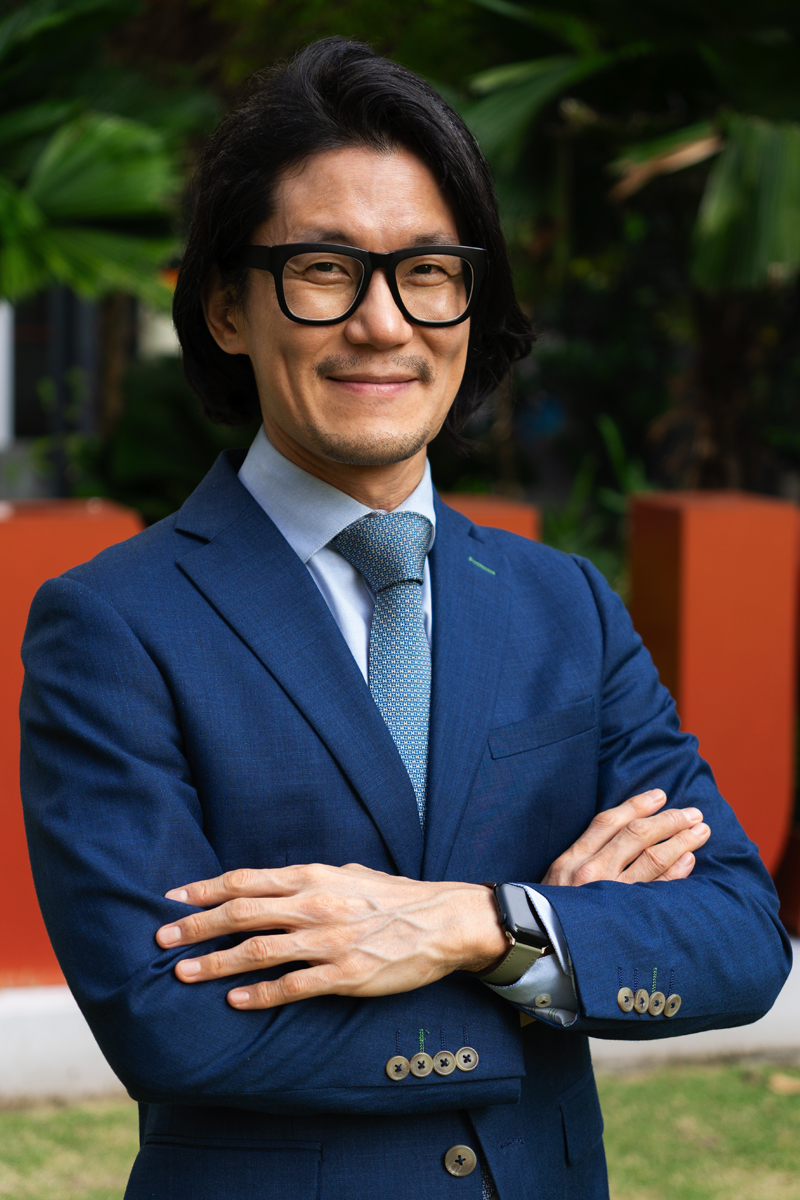
Matthew Chang is the Executive Director of the Singapore National Centre for Engineering Biology and concurrently serves as the Director of the Singapore Consortium for Synthetic Biology, the Wilmar-NUS Corporate Laboratory, and the NUS Synthetic Biology for Clinical and Technological Innovation. He holds the Provost’s Chair and is a Professor of Biochemistry at the Yong Loo Lin School of Medicine, National University of Singapore. Dr. Chang has made significant contributions to synthetic biology, authoring over 130 scholarly publications. His scientific achievements have been recognized with many accolades, including the National Research Foundation of Singapore’s Investigatorship Award, the NUHS-Mochtar Riady Pinnacle Research Excellence Award, the Presidential Award from the Korean Federation of Science and Technology Societies, and the U.S. Environmental Protection Agency’s Scientific and Technological Achievement Award.
Beyond his research, Dr. Chang is a committed educator and advocate for synthetic biology. He has mentored over 100 students and researchers, many of whom now hold leadership positions in academia, government, and industry. He has delivered over 200 invited presentations at key scientific forums worldwide and serves in editorial roles for more than 15 leading scientific journals. He has held advisory roles in significant international research initiatives, including Australia’s CSIRO Synthetic Biology Future Science Platform, SynBio Africa, and the European Union’s Horizon 2020 programme. Dr. Chang co-founded the Global Biofoundry Alliance and the Asian Synthetic Biology Association and currently serves as Co-Chair of the World Economic Forum’s Global Future Council on Synthetic Biology.
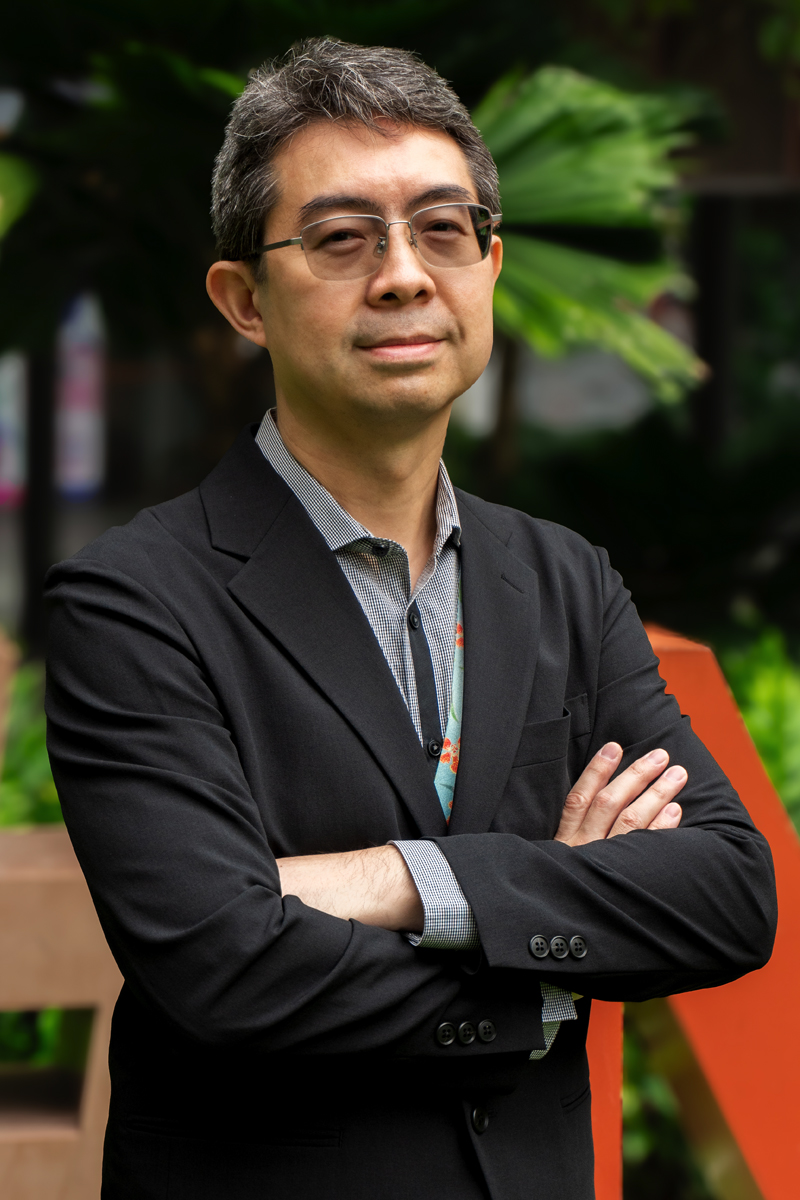
Yew Wen Shan is Associate Professor and Head of the Department of Biochemistry at the National University of Singapore’ (NUS) Yong Loo Lin School of Medicine. His research is centered on expanding the multi-faceted interface between enzymology and biological chemistry. Specifically, his research focuses on protein engineering and biocatalysis, with an emphasis on using structural and mechanistic enzymological knowledge to develop therapeutics and translational solutions.
He is Deputy Director and Principal Investigator at Synthetic Biology for Clinical and Technological Innovation (SynCTI) and a Technical Member of the Singapore Consortium for Synthetic Biology (SINERGY). He is also the Director of the HH@NUS SINERGY Laboratory and President of the Singapore Society for Biochemistry and Molecular Biology (SSBMB). He is an editor and editorial board member for numerous biotechnology journals. He has received various awards for excellence in teaching, including Educator of the Year from NUS Medicine.
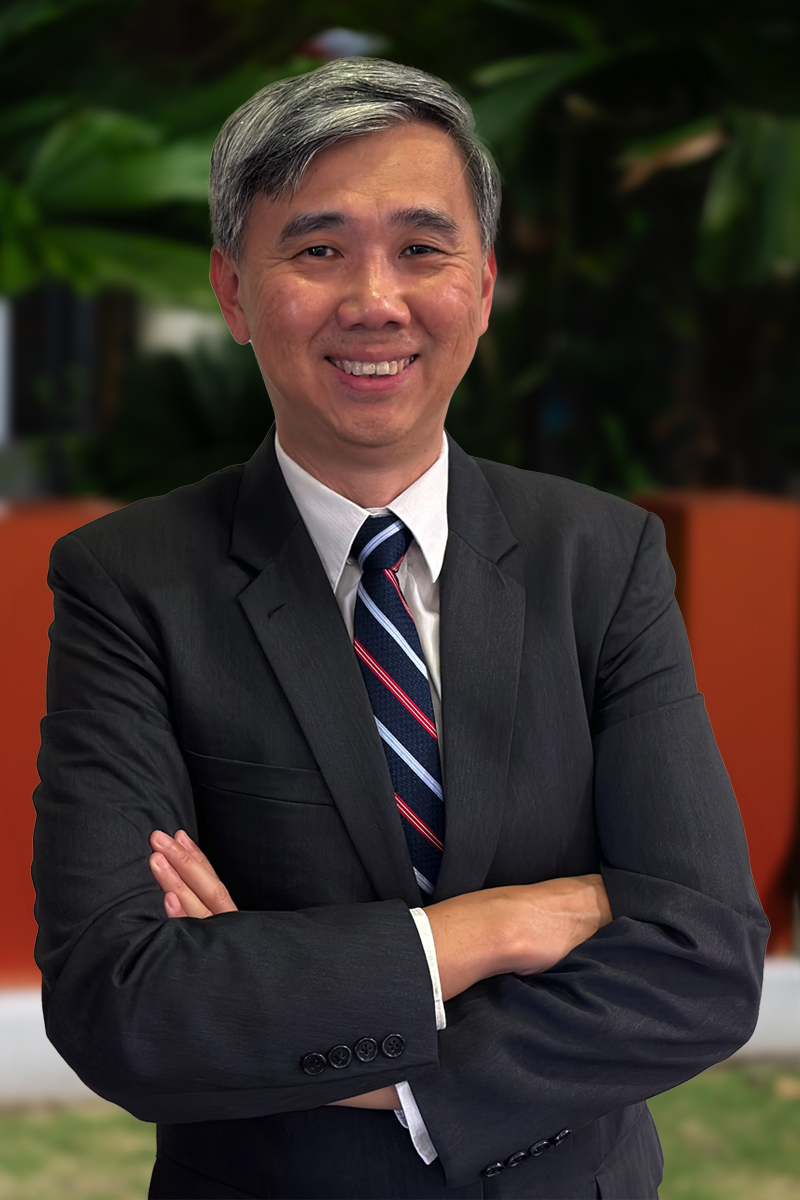
Lee Yung Seng is Professor of the Department of Paediatrics at the National University of Singapore’ (NUS) Yong Loo Lin School of Medicine, and senior consultant paediatrician at the Division of Paediatric Endocrinology, Khoo Teck Puat-National University Children’s Medical Institute, National University Hospital. He is Deputy Director and Clinical Lead at Synthetic Biology for Clinical and Technological Innovation (SynCTI). His research is focused on childhood obesity and obesity-related morbidities.